Gather Around the Table, Safely and Joyfully

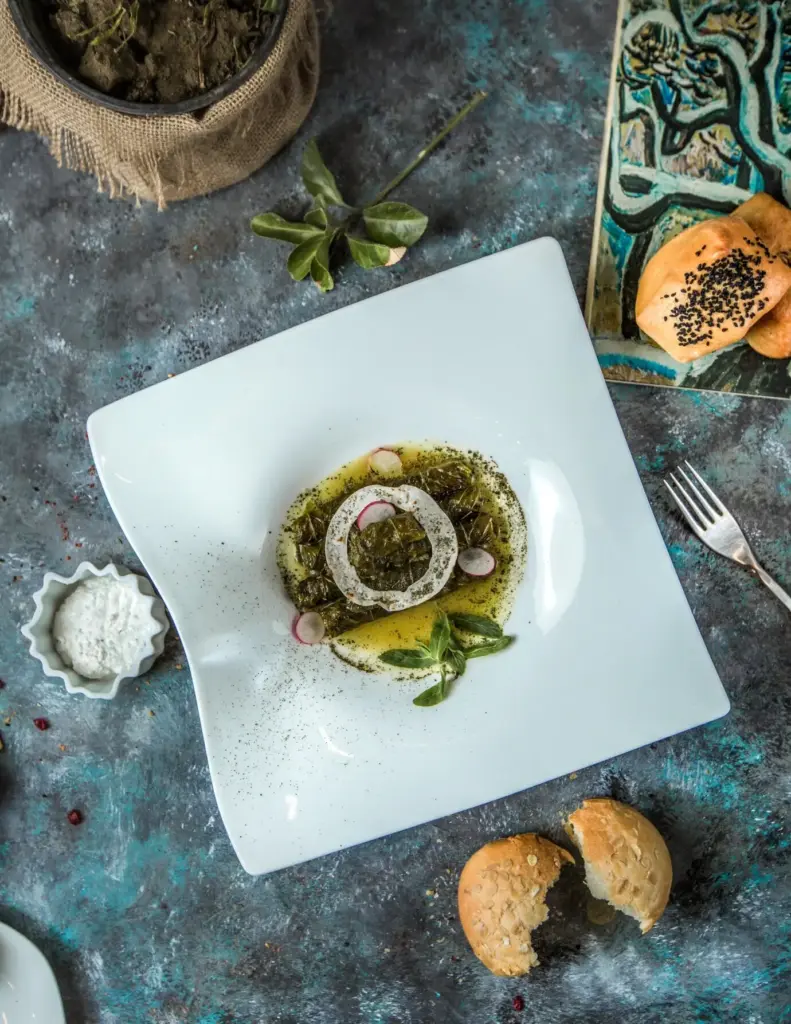
Heritage Flavors, Modern Safety
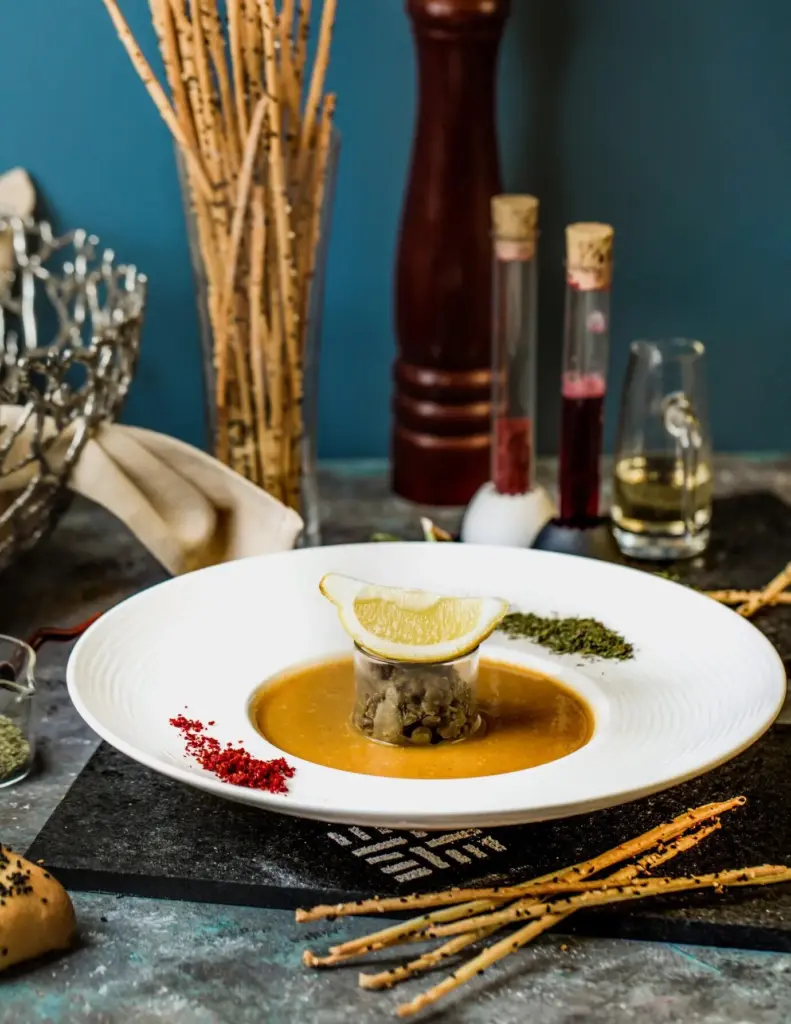
Time-Tested Techniques, Thoughtful Adaptations
Celebration Menus from Many Homes
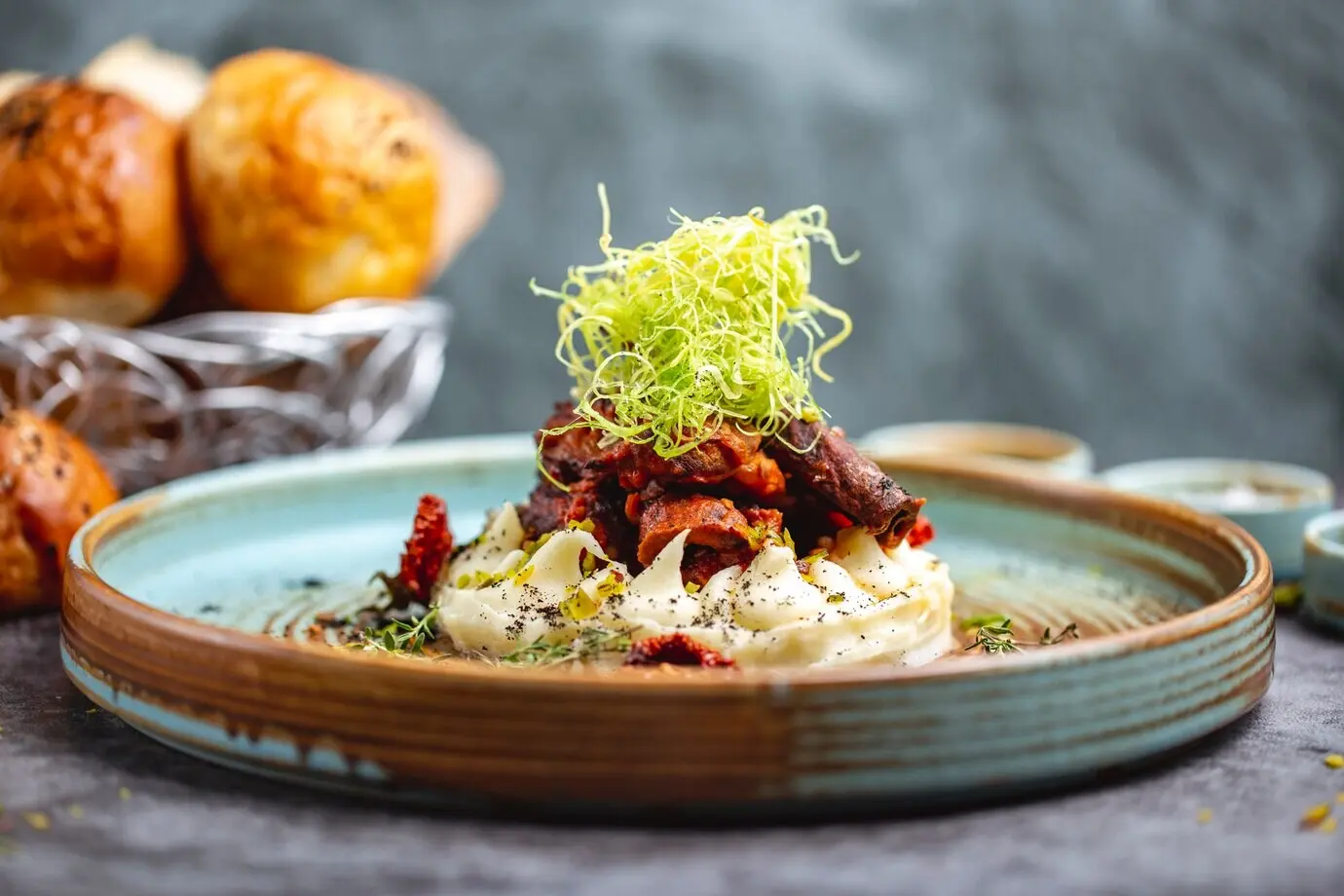
Breads and Flatbreads with Character
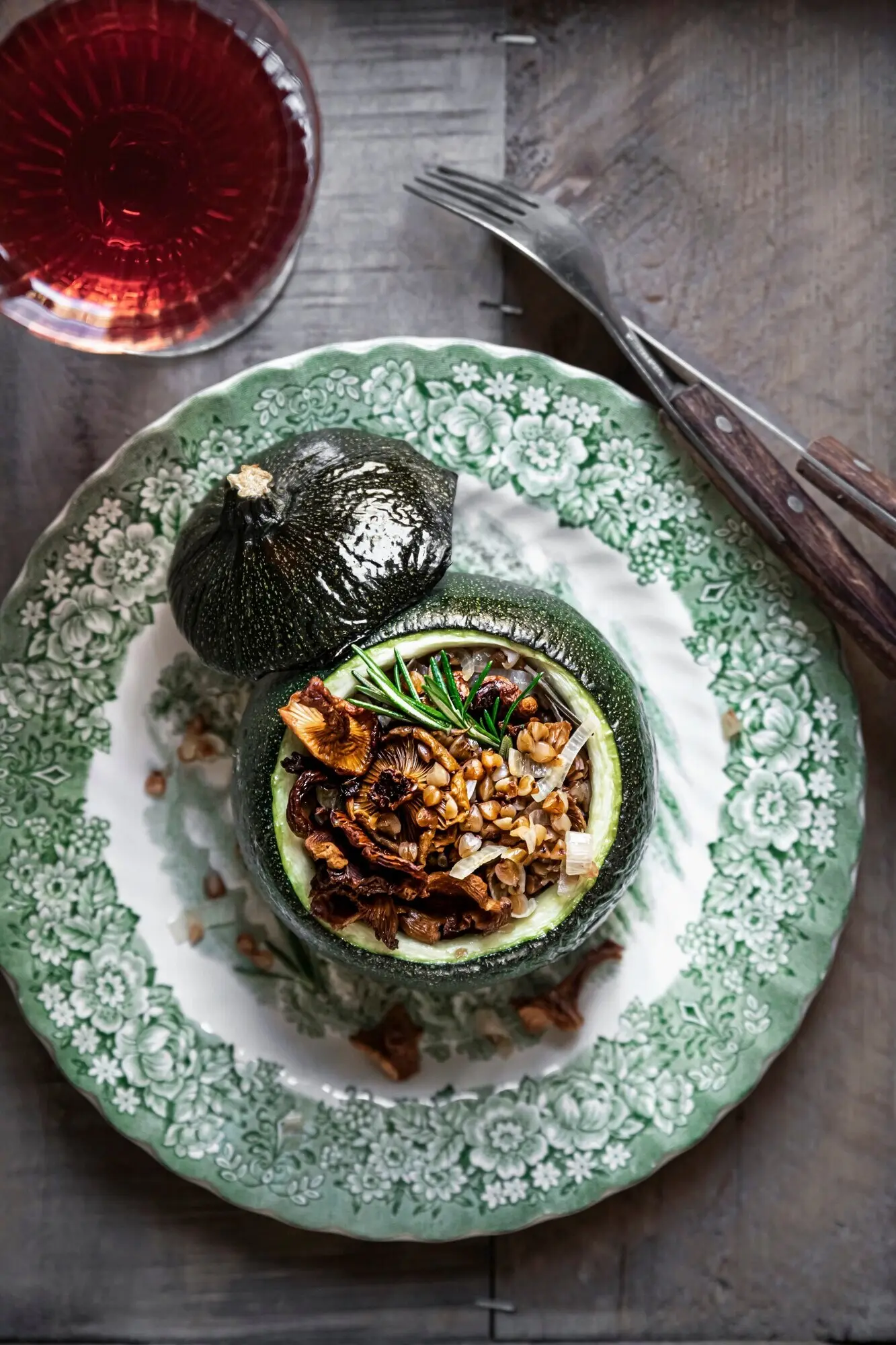
Cookies and Festive Small Bites
Cakes, Puddings, and Sweet Endings
Hosting with Confidence and Care
Kitchen Flow and Cross-Contact Control
Start clean, stay clean, and separate gear by color or labels. Wipe surfaces thoroughly, swap sponges for disposable towels, and assign cutting boards to specific ingredients. Fry in fresh oil when necessary, and avoid shared toasters or air fryers used for breaded foods. Stage recipes from safest to riskiest, finishing sensitive dishes before others. Keep a tasting spoon station to eliminate double-dipping. Post a simple checklist on the fridge and snap a photo to share with readers. Ritualized order transforms bustle into calm, helping you keep tradition alive without sacrificing trust or flavor.
Invitations, Labels, and Conversations
Begin with caring questions on invitations, gathering details about allergens and comfort levels. Promise visible labels, ingredient transparency, and space for people to bring personal staples if desired. On the day, display clear cards, announce kitchen practices, and invite guests to ask before serving children. Empower everyone with clarity instead of anxiety. Provide a printed menu for reassurance, and include contact information for follow-up questions. Ask readers to post label templates, menu designs, and phrasing that feels warm, not clinical. Communication becomes hospitality, turning thoughtful planning into gratitude felt with every bite.
Travel, Potlucks, and Gifting
For road trips and shared tables, pack insulated carriers, separate utensils, and sealed containers labeled with ingredients. Volunteer to bring mains or desserts so sensitive guests have centerpiece options. For edible gifts, choose shelf-stable treats with clear allergen statements, or present beautiful spice blends using single ingredients. When receiving food, thank generously and ask questions gently. Share your best travel coolers, favorite containers, and potluck coordination tips below. Preparedness transforms uncertainty into freedom, letting traditions travel across cities, join new families, and sparkle in unfamiliar kitchens without compromising anyone’s peace of mind.
Stories, Gratitude, and Continuity

Interview the Keepers of Memory
Schedule time with grandparents, aunties, or community elders to gather precise details: spice toasting order, pot sizes, simmering sounds, and the moment a stew is considered done. Ask what ingredients were chosen when budgets were tight or seasons shifted. Translate those insights into allergen-friendly adjustments, and document everything. Encourage readers to record voice notes, scan splattered cards, and upload transcripts. By preserving technique alongside story, we safeguard more than recipes—we protect belonging. Invite comments with favorite questions to spark recollections that transform kitchens into living archives brimming with safe, fragrant, generous love.
Mapping Flavors to Moments
Schedule time with grandparents, aunties, or community elders to gather precise details: spice toasting order, pot sizes, simmering sounds, and the moment a stew is considered done. Ask what ingredients were chosen when budgets were tight or seasons shifted. Translate those insights into allergen-friendly adjustments, and document everything. Encourage readers to record voice notes, scan splattered cards, and upload transcripts. By preserving technique alongside story, we safeguard more than recipes—we protect belonging. Invite comments with favorite questions to spark recollections that transform kitchens into living archives brimming with safe, fragrant, generous love.
Rituals That Welcome Everyone
Schedule time with grandparents, aunties, or community elders to gather precise details: spice toasting order, pot sizes, simmering sounds, and the moment a stew is considered done. Ask what ingredients were chosen when budgets were tight or seasons shifted. Translate those insights into allergen-friendly adjustments, and document everything. Encourage readers to record voice notes, scan splattered cards, and upload transcripts. By preserving technique alongside story, we safeguard more than recipes—we protect belonging. Invite comments with favorite questions to spark recollections that transform kitchens into living archives brimming with safe, fragrant, generous love.
All Rights Reserved.