Plates That Tell Stories: Elevating Regional Classics
Today we explore Modern Plating and Presentation Techniques for Regional Classics, celebrating beloved recipes while presenting them with contemporary elegance. Expect strategies that safeguard authenticity, harness color, texture, and negative space, and thoughtfully select vessels and finishes. We will translate heritage into compelling visuals, share chef-tested tips and anecdotes, and invite you to experiment, photograph your results, and inspire others by reimagining tradition with honest flavors and evocative, modern presentation.
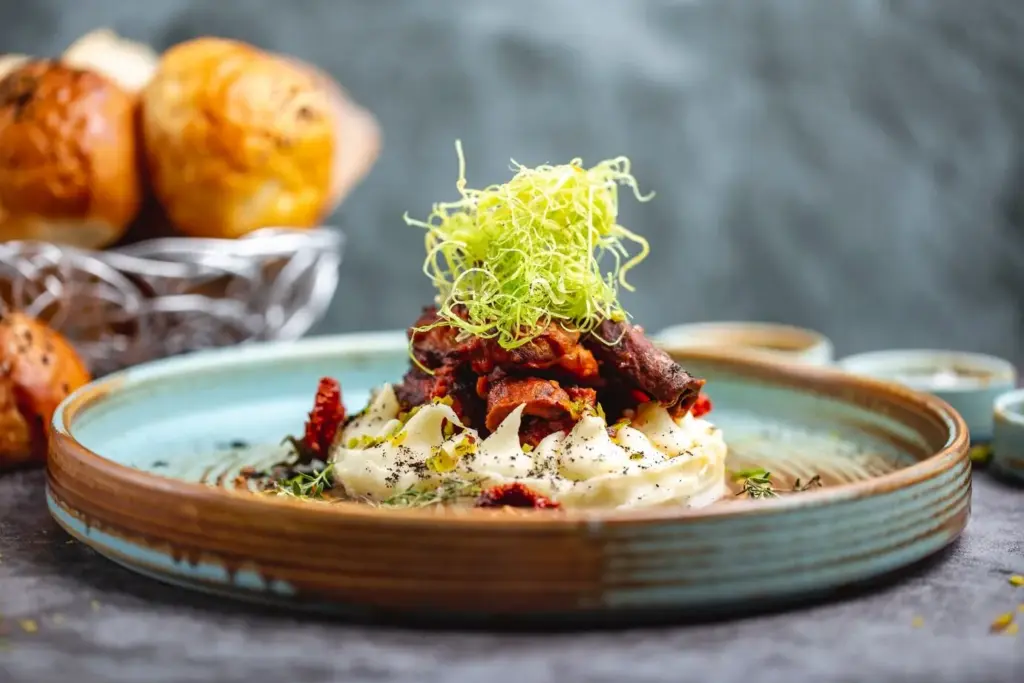
Honoring Heritage While Refreshing the Look
Refreshing a cherished dish begins with respect: preserve its soul, seasonality, and cultural cues, then sculpt the visual journey. Replace clutter with intention, structure the plate around the dish’s most meaningful element, and use garnishes that tell real stories. The result feels familiar yet exciting, encouraging guests to recognize flavors first, then marvel at the arrangement. Share your regional favorite, and we’ll explore tasteful updates that never undermine memory or meaning.
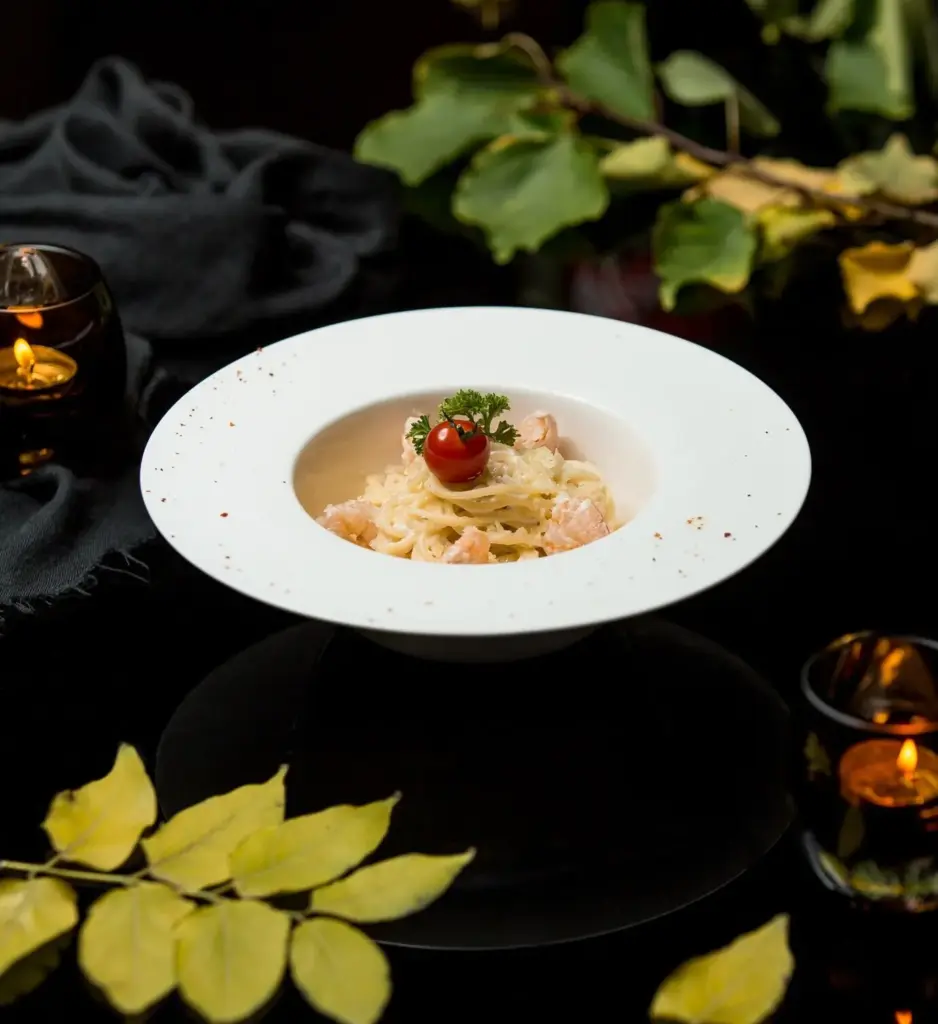
Layering That Preserves Comfort
Layer components to echo how one would traditionally eat the dish. Crisp elements should protect softer textures without overwhelming them, while saucy components should be reachable in balanced bites. Think of spoonful order: foundation, highlight, accent. Align chew, creaminess, and crunch so nostalgia remains intact. This gentle engineering respects the original eating experience, elevating satisfaction as much as appearance, and encouraging diners to follow a natural, comforting rhythm.
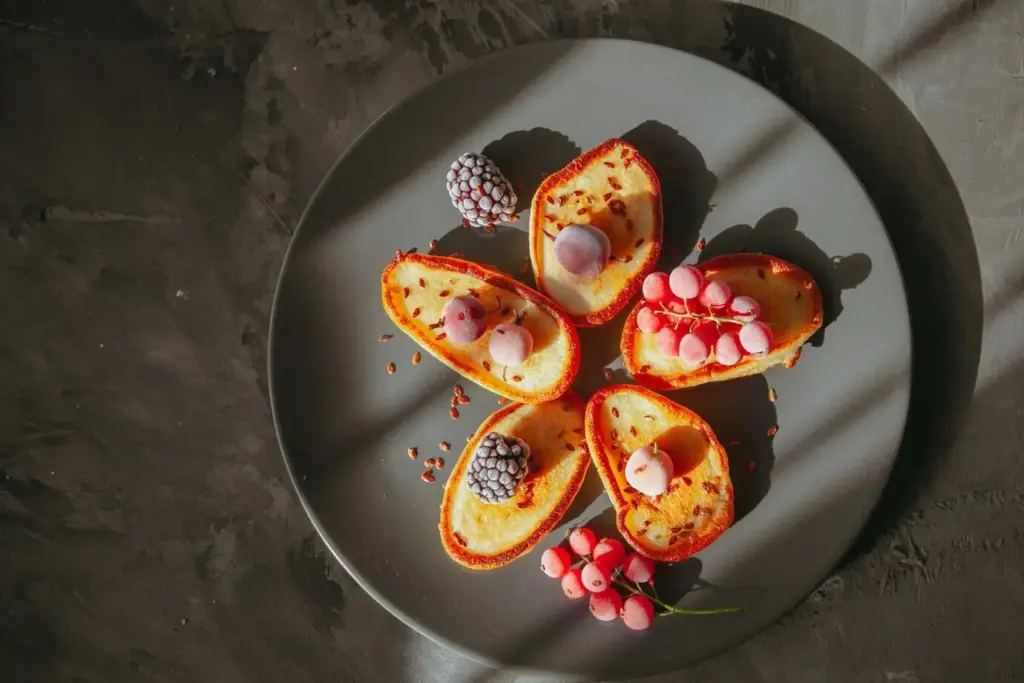
Height With Logic
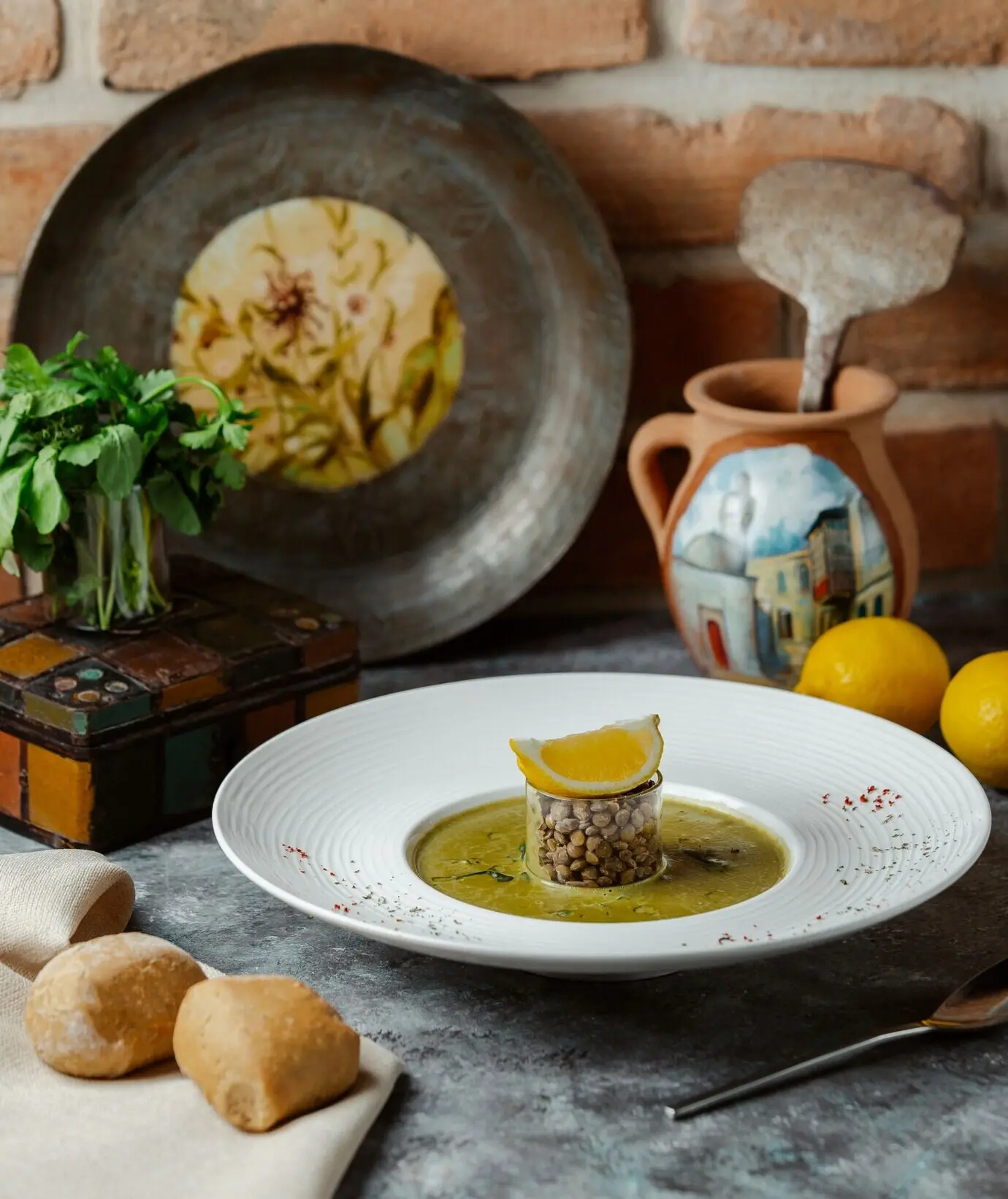
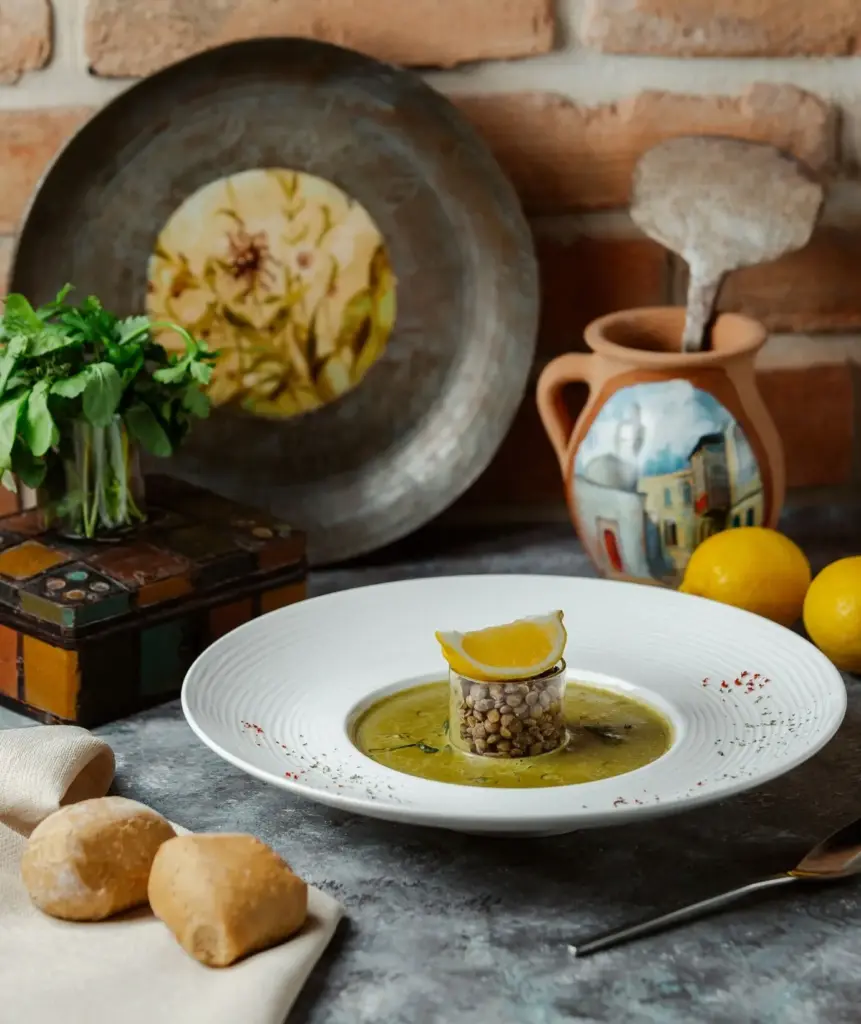
Use height to reveal structure, never to impress gratuitously. Build stable tiers with crisp bases and pliant middles, then crown with a small, aromatic flourish that guides aroma toward the guest. If a stew is central, gently mound key solids above the broth line, preventing sog while spotlighting textures. The moment a tower threatens collapse, flatten it; confidence comes from clarity, not precarious sculptures that distract rather than delight.
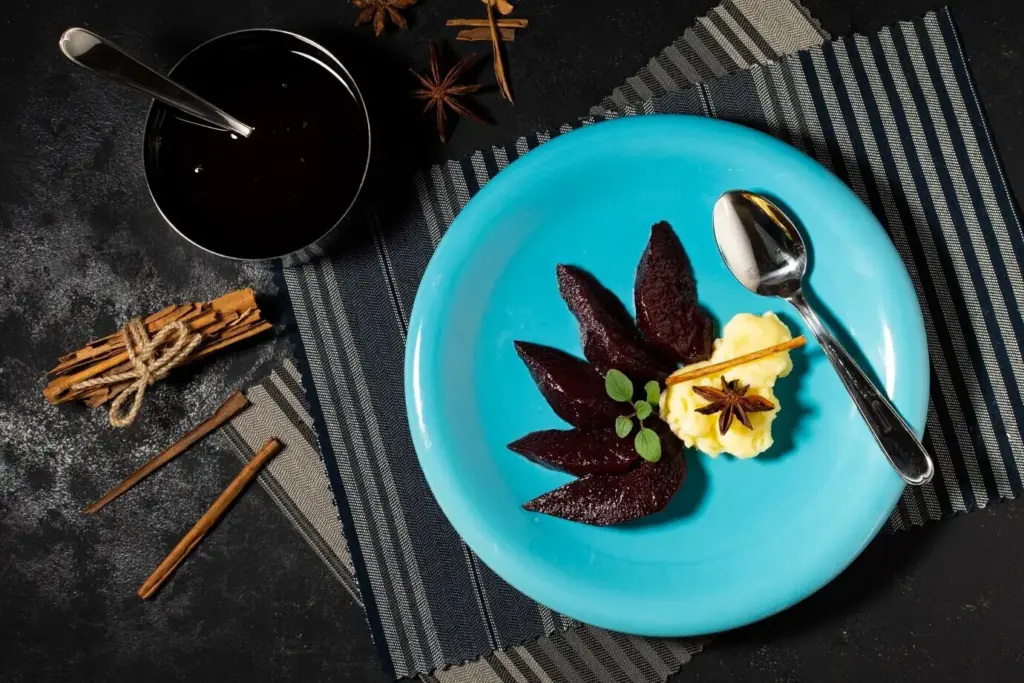

Color Theory Guided by Place
Choose colors that evoke landscape and hearth: saffron fields, charcoal grills, sea breezes, orchard greens. Ground vibrant hues in earthy neutrals so plates feel appetizing, not loud. Avoid artificial saturation; let roasted browns, verdant oils, and jewel-like pickles do the work. Plateware can echo geography without stealing the show. Share palette references from your region, and we’ll translate them into sauces, oils, pickles, and vegetables that complement rather than compete.
Choosing the Right Vessel
The vessel shapes expectations, temperature, aroma, and portion sense. Deep bowls hug broths and grains; wide plates valorize crisp textures and precise saucing. Dark ceramics flatter roasted tones, while light stoneware clarifies vibrant vegetables and herbs. Consider thermal retention, utensil sound, and the hand-feel when servers set the dish down. Share which plates best express your regional favorite, and we’ll suggest alternatives that enhance comfort, clarity, and storytelling.
For pho, borscht, or feijoada, choose bowls with enough width to reveal toppings but sufficient depth to keep heat. Arrange solids slightly above the liquid line, then drizzle oils or sour cream where they remain visible. The form should invite inhalation first, then a composed spoonful. Consider lip thickness, spoon clearance, and how steam frames aromatics. Post your bowl angles and we’ll discuss visibility, warmth, and ideal garnish placement.
Spoons capture broths and grains; forks isolate delicate proteins; knives should glide without scraping glaze. Offer the utensil that encourages the ideal bite structure for the dish. For tender braises, a broad spoon supports sauce distribution; for crisp schnitzel, a sharp, quiet knife preserves crust. Place utensils where guests intuitively reach them. Ask readers which tools improved their plating experience, and compare how bite mechanics altered perceived seasoning and balance.
Use edible vessels that reflect local practice: masa cups, cabbage leaves, sesame cones, or crispy potato shells. They concentrate aromas, introduce crunch, and reduce plate clutter. Ensure structural integrity and proportion so fillings remain bright and navigable. A cabbage wrap around Georgian-spiced beans, brushed with adjika oil, becomes both container and seasoning. Share your edible carriers, detailing bake times, thickness, and finish, so others replicate success with confidence and grace.
Saucing, Oils, and Finishes With Purpose
Finishes should clarify flavor intent, guide forks, and frame the story. Replace random dots with meaningful pathways, anchor sauces where they remain accessible, and choose oils that announce aroma without greasiness. Acids deserve precise placement, and crunch should arrive late to preserve texture. Train your eye to see the difference between flourish and function. Post sauce sketches, compare versions, and notice how restraint often amplifies character and guest satisfaction.
Narrative, Service Flow, and Guest Delight
Presentation continues beyond the plate: consider lighting, tray movement, and the words that introduce the dish. Preheat or chill vessels appropriately, align handles, and ensure consistency across the table. Craft a concise origin line that honors place and makers without lecturing. Invite rituals that feel natural, like pouring broth tableside or zesting citrus. Ask readers to share scripts and pacing tricks that elevated anticipation, trust, and the first grateful bite.

Opening Line: The First Glance
When a dish lands, guests should instantly recognize what matters. Position the hero ingredient toward the guest, angle garnishes to release aroma, and keep the rim immaculate. Use a single detail—a citrus twist, toasted spice scent—to preview flavor. Photograph your landing position from the diner’s angle and adjust. Share side-by-side images, and we’ll discuss micro-rotations, distance from the table edge, and how eye contact enhances the culinary handshake.
Mid-Bite Surprises
Embed small discoveries that align with tradition, like a hidden spoon of fermented relish beneath grilled fish or a warm spice butter melting under dumplings. These moments should feel inevitable, not gimmicky, strengthening the regional narrative with pleasure. Note guest reactions, dwell time, and which surprises held integrity throughout service. Invite readers to propose respectful reveals and test them, building a library of joyful, culturally grounded moments that reward attention.
Inviting Conversation and Feedback
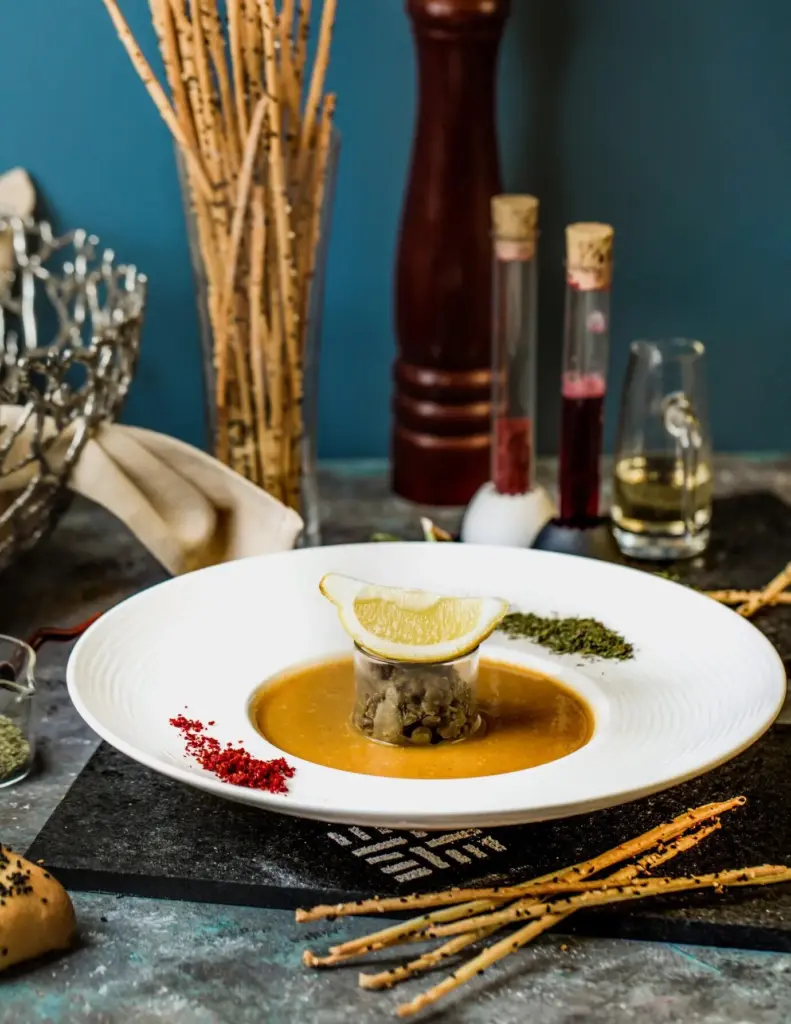
End with an invitation: ask guests what memory the dish unlocked and what detail guided their first bite. Encourage readers to comment with plating photos, region notes, and experiments, then subscribe for new guides and live critiques. Host a monthly challenge reimagining a classic, celebrating the most insightful before-and-after. Together we evolve craft standards while keeping roots visible, proving that generosity, curiosity, and dialogue make plates taste unmistakably more alive.
All Rights Reserved.